Honoring the Plant, the Process, and the People

Ethical Foraging as Foundational Practice

We treat milkweed stands as shared ecosystems, not raw material depots. Our three-season observation protocol ensures pods are harvested only after seeds have matured and natural dispersal has begun, leaving root systems undisturbed and neighboring flora intact.

Slow Craft as Deliberate Resistance

In an era of accelerated production, we choose the spindle over the factory floor. Each hour of hand preparation — separating floss from seed, teasing fibers, drafting roving — builds an irreplaceable understanding that machinery cannot replicate.

Knowledge Shared Without Condition

We publish our findings in plain language, free of paywalls or proprietary restrictions. When a spinner in Manitoba discovers a better blending ratio, we want spinners in Melbourne to know it by the following season.

What We Stand For

Five commitments that shape every article, tutorial, and gathering we publish

A Thread Through Time

Indigenous Textile Traditions

First Nations peoples across North America harvested milkweed floss for insulation, ceremonial objects, and cordage. Archaeological evidence from the Great Lakes region confirms fiber processing techniques that predate European contact by millennia.

Commercial Exploration

During the American Civil War, the United States Department of Agriculture investigated milkweed as a domestic substitute for imported kapok filling. The fiber's buoyancy and hollow structure attracted military and maritime interest, though spinning applications remained limited.

Wartime Revival

Wartime shortages of kapok and wool prompted renewed research into milkweed floss. Canadian and American agencies collected tons of pods for life jacket insulation, demonstrating industrial-scale harvesting feasibility that hobby spinners later adapted.

Contemporary Rediscovery

A small network of handspinners, conservationists, and textile historians began systematically documenting milkweed fiber preparation. Online forums allowed geographically dispersed practitioners to compare techniques, establishing the collaborative foundation this site continues today.

Botanists, spinners, and historians who believe craft knowledge deserves rigorous documentation

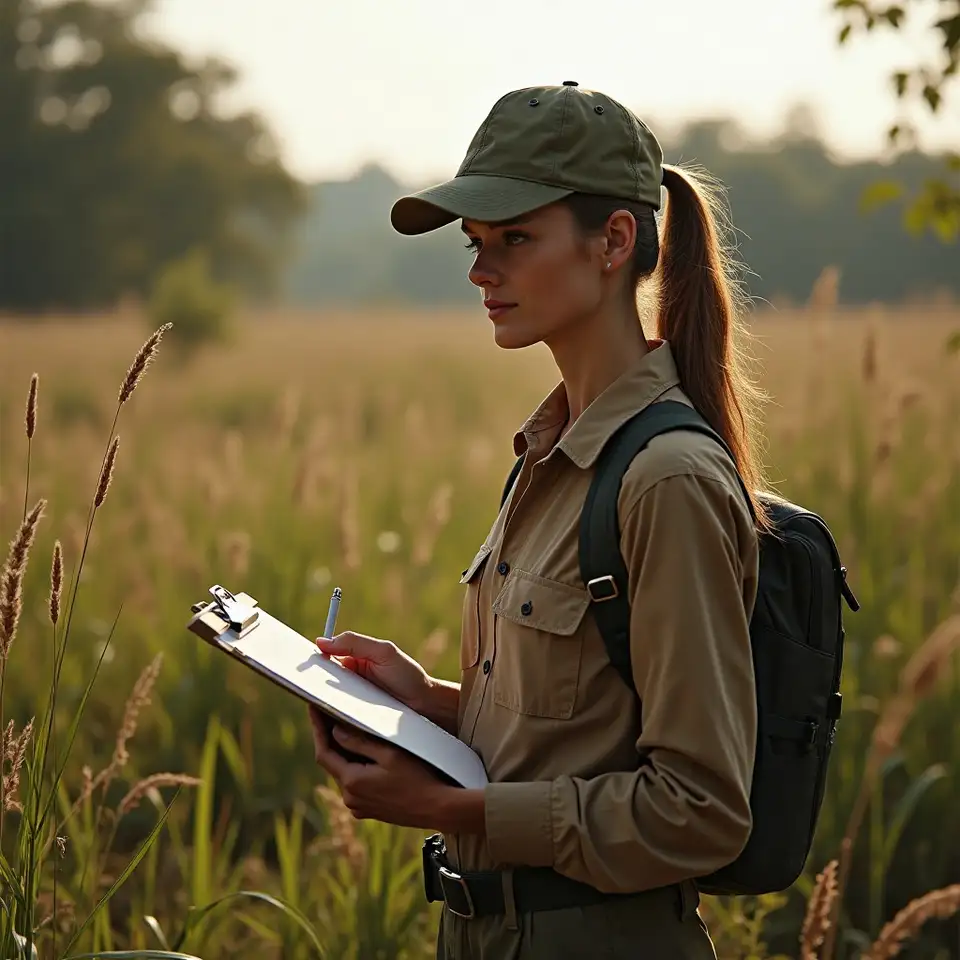
Botanist examining milkweed pods in a meadow

Dr. Elena Voss

Founding Editor

Doctor of Philosophy in Plant Biology University of Melbourne

Fiber Plant Identification

Royal Botanic Gardens Victoria

Elena has spent fifteen years studying fiber-producing plants across temperate North America. Her fieldwork connects botanical identification with practical textile applications, bridging disciplines that rarely share conference halls.

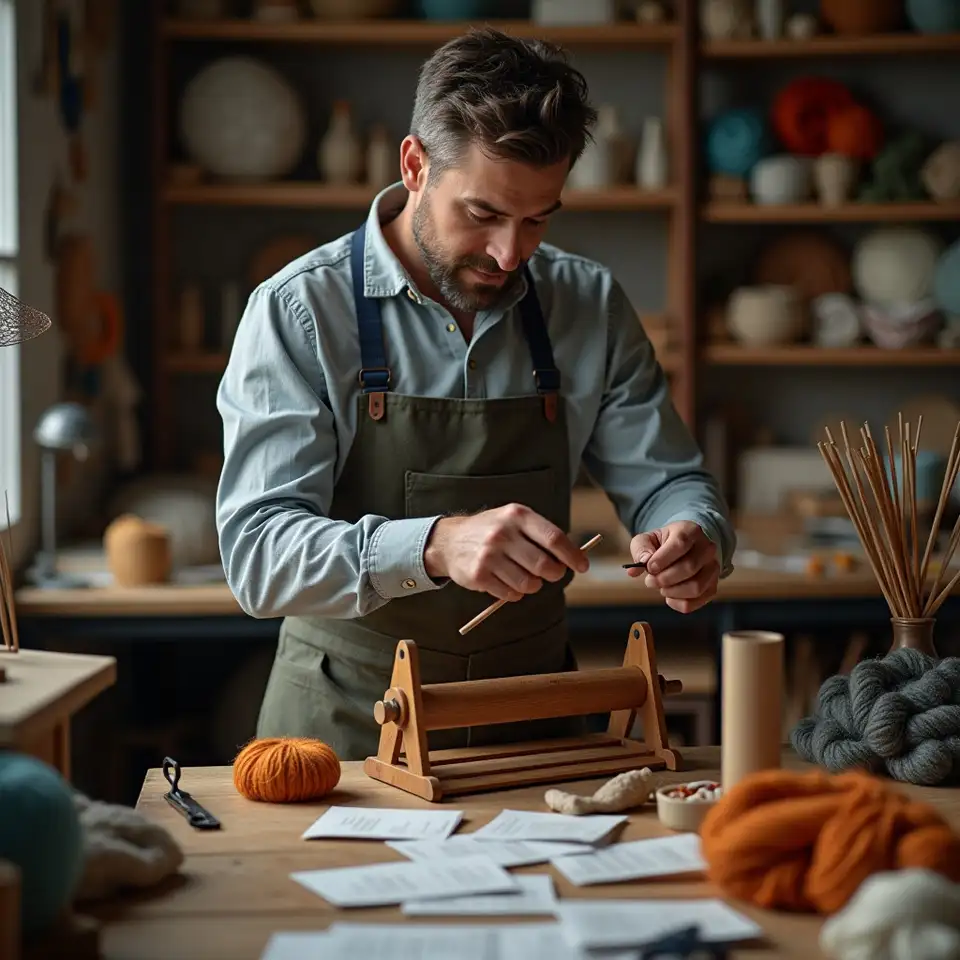
Spinner organizing fiber sample cards at a workbench

Marcus Chen-Whitmore

Lead Spinner

Master of Fine Arts in Textile Arts Australian National University

Historical Spinning Techniques

Canberra Spinners and Weavers

Marcus maintains a reference library of over four hundred handspun samples, documenting twist angles, blend proportions, and wear characteristics. His systematic approach brings laboratory discipline to an often-intuitive craft.

Conservationist conducting vegetation survey in the field

Sarah Okonkwo

Conservation Liaison

Master of Science in Restoration Ecology University of Queensland

Sustainable Wild Harvesting

Queensland Department of Environment

Sarah works with land managers and indigenous knowledge holders to develop harvest protocols that protect wild populations. Her background in restoration ecology ensures our practices serve both craft and conservation goals.

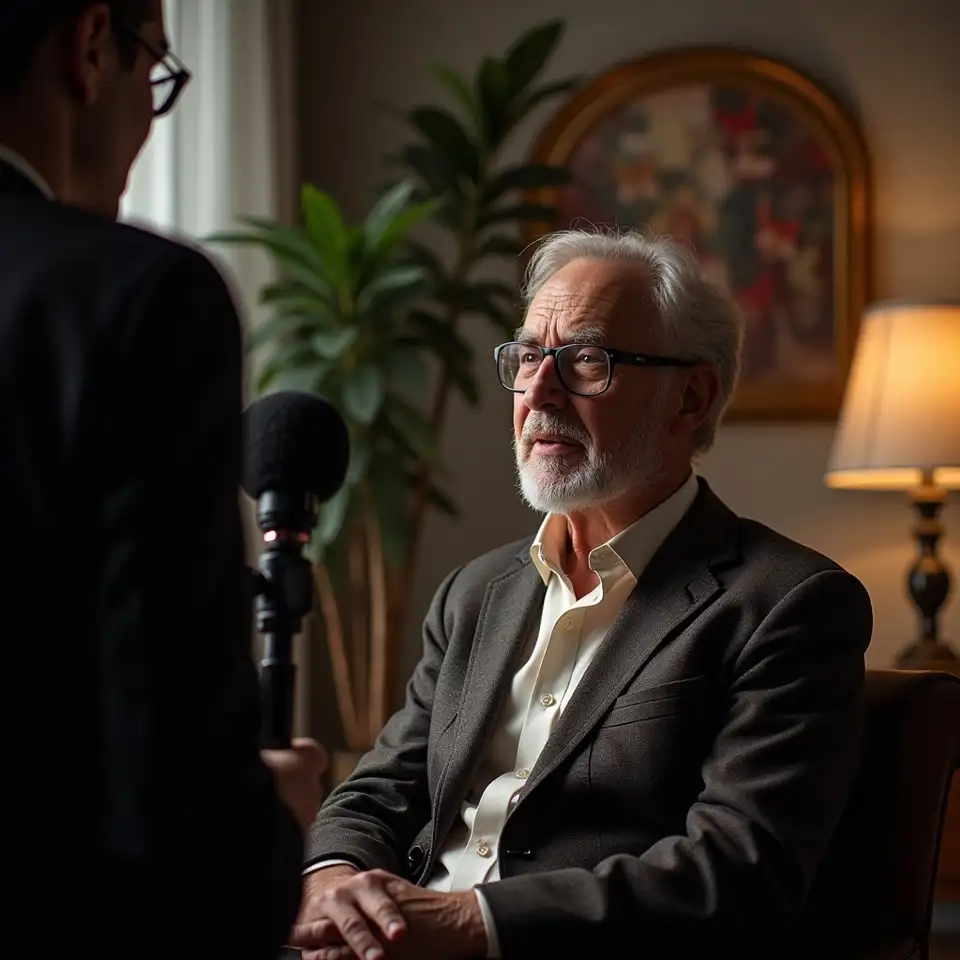
Historian conducting recorded interview with elder spinner

James Harrington

Oral Historian

Doctor of Philosophy in Folklore Studies Memorial University of Newfoundland

Craft Knowledge Preservation

National Museum of Australia

James records interviews with the last generation of milkweed spinners, capturing techniques and stories that never entered print. His archive now holds over eighty hours of recorded testimony from four countries.

Cookie notice