Spin Milkweed Silk Into Luminous Yarn
A single milkweed pod yields enough silk to teach patience. A season of pods yields enough to weave something extraordinary. This is the craft of transforming roadside weeds into textiles that catch light like nothing else in the spinner's repertoire.
Practitioners worldwide
$ 347.00
documenting techniques
-
Pod harvest $ 15,000.00 -
Fiber prep $ 80,000.00
-
Spun yarn $ 450,000.00
First pod
Finished skein
-
Ethical foraging protocols
-
Open-source documentation
-
Community-tested blends
-
Botanical accuracy verified
Discover Milkweed Silk Spinning
Milkweed silk is one of the few textile fibers native to North America that never
entered commercial production. For centuries, indigenous peoples and rural communities
worked with its hollow, golden filaments. Today, a small but growing network of spinners
is reconstructing the techniques that industrialization left behind. We document what
works, publish what fails, and build collective knowledge one harvest at a time.
Wild Harvest
Collect pods after natural dispersal, following protocols that protect stands for future seasons.
Hollow fibers create yarns with warmth-to-weight ratios unlike any cultivated alternative.
Shared Knowledge
Access harvest maps, blend recipes, and failure logs from practitioners across twelve countries.

Hollow Structure, Real Warmth
Each milkweed filament is a sealed tube of cellulose, trapping air more efficiently than solid wool fibers. The result is yarn that insulates beyond what its featherweight suggests.
Natural Luster, No Processing
The waxy outer cuticle of milkweed silk reflects light with a soft golden sheen. Unlike silk moth filaments, this luster survives gentle washing without chemical finishing.
Blending Required for Strength
Pure milkweed silk lacks the tensile integrity of wool or flax. Practitioners blend with alpaca, cotton, or cultivated silk to create durable yarns that honor the fiber's character.
2
Seed Separation
The silk floss clings to seeds with surprising tenacity. Practitioners employ combs,
screens, or patient hand-teasing to separate components. Rushed preparation breaks
the short staple fibers and reduces spinability dramatically.
3
Fiber Preparation
Clean milkweed silk is carded or combed depending on intended blend. For pure spinning, gentle hand-carding preserves the hollow structure. For blending with longer fibers, drum carding with wool or alpaca creates cohesive roving.
4
Drafting and Spinning
The short staple and low crimp demand modified drafting technique. Supported spindle
spinning offers control for beginners; experienced spinners adapt wheel tension and
orifice size to accommodate the fiber's unique behavior under twist.
5
Finishing and Setting
Freshly spun milkweed yarn benefits from gentle washing in cool water to remove field dust and set twist. Aggressive fulling or hot water causes the hollow fibers to collapse, diminishing the warmth and luster that make this fiber worth the effort.
From Skeptic to Spinner
Practitioners describe the learning curve and eventual rewards of adding milkweed to their fiber repertoire
Diana Reeves
Guild Spinner, Adelaide
Frustration with Short Staple
Challenge
I assumed milkweed would draft like cotton. It does not. My first attempts produced lumpy, underspun singles that fell apart before reaching the bobbin.
Outcome
After adjusting to a supported spindle and shorter forward draw, I now spin consistent singles at twenty degrees twist angle. The resulting two-ply holds together for knitting.
Gain
+Consistentyarn
"Milkweed silk punished every assumption I brought from twenty years of wool spinning. The fiber is not defective; my technique was. Once I stopped fighting its nature, it became one of my favorite materials to work with."
Time to results 3 months
Tomás Herrera
Natural Dyer, Brisbane
Unpredictable Dye Uptake
Challenge
My standard mordants produced patchy, uneven color on milkweed blends. The hollow fibers seemed to resist alum while absorbing too much iron, creating muddy results.
Outcome
I now pre-treat with a weaker alum solution and reduce iron mordant concentration by half. Colors emerge evenly with a subtle depth that wool cannot replicate.
Gain
+Evencolor
"Milkweed silk does not behave like protein fiber or cellulose. It occupies a middle space that required me to develop an entirely separate dye notebook. The results justify the extra preparation."
Time to results 6 months
Yuki Tanaka
Weaver, Perth
Warp Breakage in Blends
Challenge
I wove a scarf with milkweed-alpaca weft and cotton warp. The weft behaved beautifully but the warp snapped repeatedly under tension, ruining the sett.
Outcome
I now use milkweed blends exclusively in weft or as supplementary warp with a strong cotton or linen foundation. My current pieces combine structural integrity with the fiber's distinctive luminosity.
Gain
+Zerobreaks
"Trying to make milkweed do everything was my mistake. It excels as weft and inlay, where its light-catching quality shows without bearing structural load. Understanding limitation is part of mastering this material."
Time to results 4 months
Fiber in Transformation
Photographs from practitioners documenting each stage of the milkweed silk journey
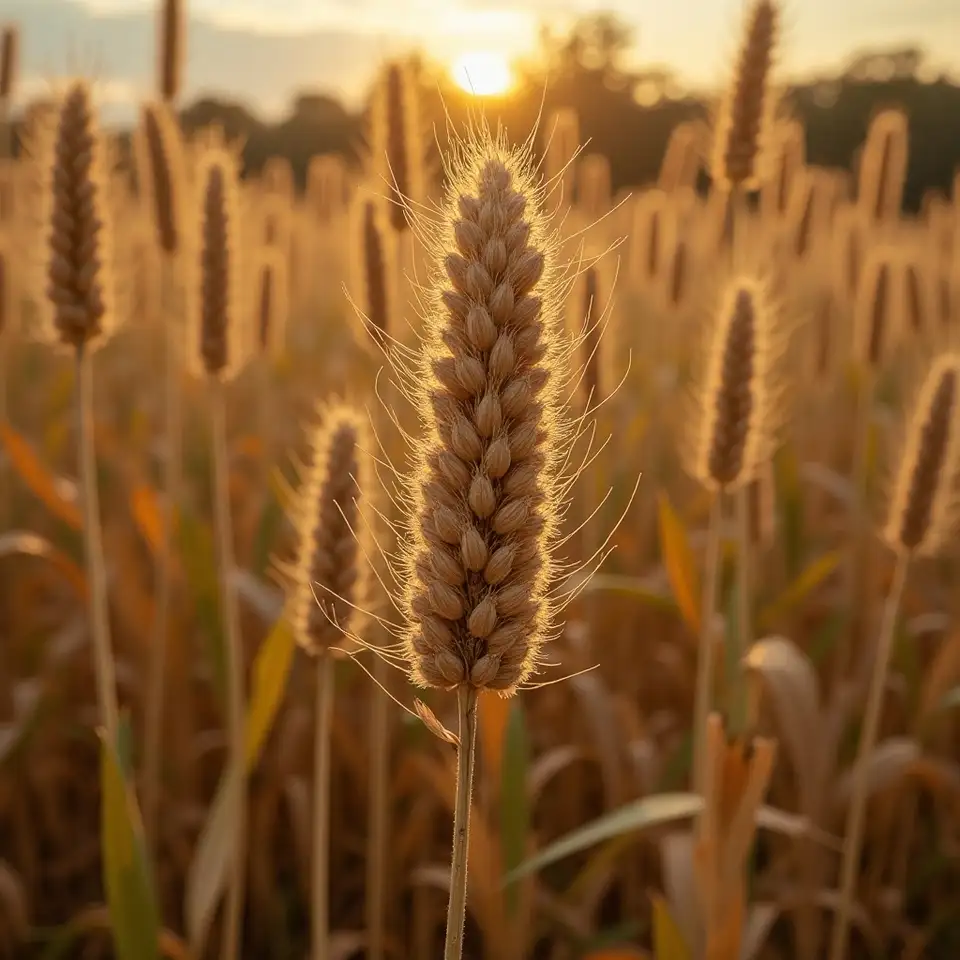


03 Spun and ready to weave


Ready to Try Milkweed Silk?
The community maintains open documentation for every stage of milkweed fiber work. Browse our technique library, join seasonal foraging discussions, or contribute your own observations from the field. No prior experience with unconventional fibers is required — only curiosity and willingness to learn from both successes and failures. The knowledge base grows with every harvest season, and every new practitioner brings fresh perspective to this nearly lost craft.
Explore techniques
Autumn Foraging